facility may discover soil contamination resulting from a leak or release of diesel, fuel, oils, or chemicals. Such contamination may arise from an unexpected incident, leakage from storage tanks or pipelines, or historical discharge activities within the site. In such cases, simply removing the visibly contaminated soil is not sufficient. The situation should be managed through a structured environmental process that begins with stopping the source of contamination and concludes with site remediation, rehabilitation, and formal documentation of the completed works.
1. Stop and Control the Source of Contamination
Once contamination is discovered, the first action should be to stop the source of the leak or discharge, control it, and prevent further migration to surrounding areas, whenever this can be done safely and practically.
Continued leakage may cause contaminants to migrate both horizontally and vertically through the soil, increasing the extent of the affected area. This may ultimately increase the volume of soil requiring treatment and significantly raise the cost of remediation and rehabilitation.
2. Engage a Licensed Environmental Consultant
After controlling the source of contamination, a licensed environmental consulting firm should be engaged to assess the condition of the site and determine the nature and extent of the contamination.
The assessment typically begins with a site inspection and the collection of available information regarding the source of contamination, the type of contaminant, the duration of the leak or discharge, and the estimated quantity released, where such information is available. The assessment also considers soil characteristics, environmental conditions, and potential pathways through which contaminants may migrate.
3. Conduct Environmental Sampling and Laboratory Analysis
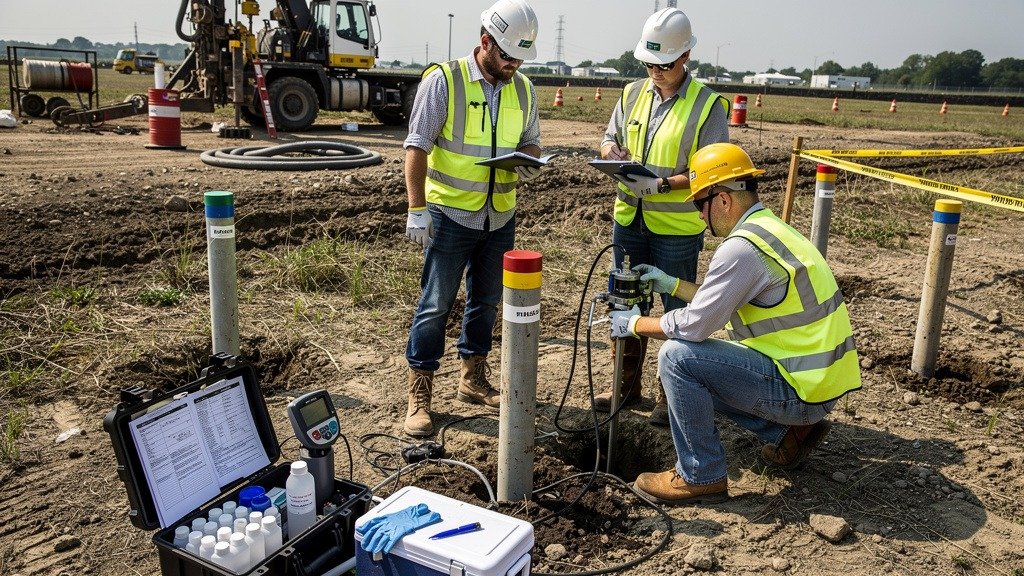
The environmental assessment may require soil and/or water samples to be collected from different locations and depths and analyzed to identify the type and concentration of contaminants.
For sites affected by diesel, fuel, or other petroleum products, laboratory analyses may include Total Petroleum Hydrocarbons (TPH), Benzene, Toluene, Ethylbenzene and Xylenes (BTEX), and other relevant parameters depending on the type of material released and the characteristics of the site.
The results help determine the horizontal and vertical extent of contamination and establish the actual volume of the affected area requiring remediation.
4. Prepare the Site Remediation and Rehabilitation Plan
Based on the site inspection, laboratory results, and environmental assessment, the environmental consultant prepares a remediation and rehabilitation plan for the contaminated site.
The plan typically defines the existing site conditions, contamination source, extent of the affected area, proposed remediation methodology and technologies, estimated quantities to be managed, procedures for handling contaminated soil and other affected materials or waste, environmental monitoring requirements, methods for verifying remediation effectiveness, and the rehabilitation works required following treatment or removal of the contamination.
5. Obtain the Required Environmental Approvals
The remediation and rehabilitation plan is then submitted through the applicable environmental procedures to obtain the necessary approvals before implementation begins.
This step is important to ensure that subsequent remediation works are performed according to a defined and approved environmental methodology rather than through uncontrolled excavation or soil removal that may fail to address the full extent of contamination or unnecessarily increase waste volumes and project costs.
6. Appoint a Licensed Environmental Remediation Contractor
Once the plan has been approved, it is provided to a specialized and licensed contractor authorized to carry out remediation and rehabilitation works for contaminated and degraded sites.
The contractor reviews the approved plan, quantities, required remediation technologies, equipment, manpower, and other resources before preparing the technical and commercial proposal and implementation schedule.
The cost of remediation varies considerably from one site to another. It is not determined solely by the visible surface area of contamination. Key factors include the type and concentration of contaminants, horizontal and vertical extent of contamination, volume of affected soil, approved remediation technology, quantities requiring treatment or transportation, site conditions, and rehabilitation requirements.
Therefore, having a clear and approved remediation plan allows the scope of work to be priced more accurately.
7. Implement the Approved Remediation and Rehabilitation Plan
Following agreement on the implementation scope, the environmental remediation contractor begins executing the approved remediation and rehabilitation plan.
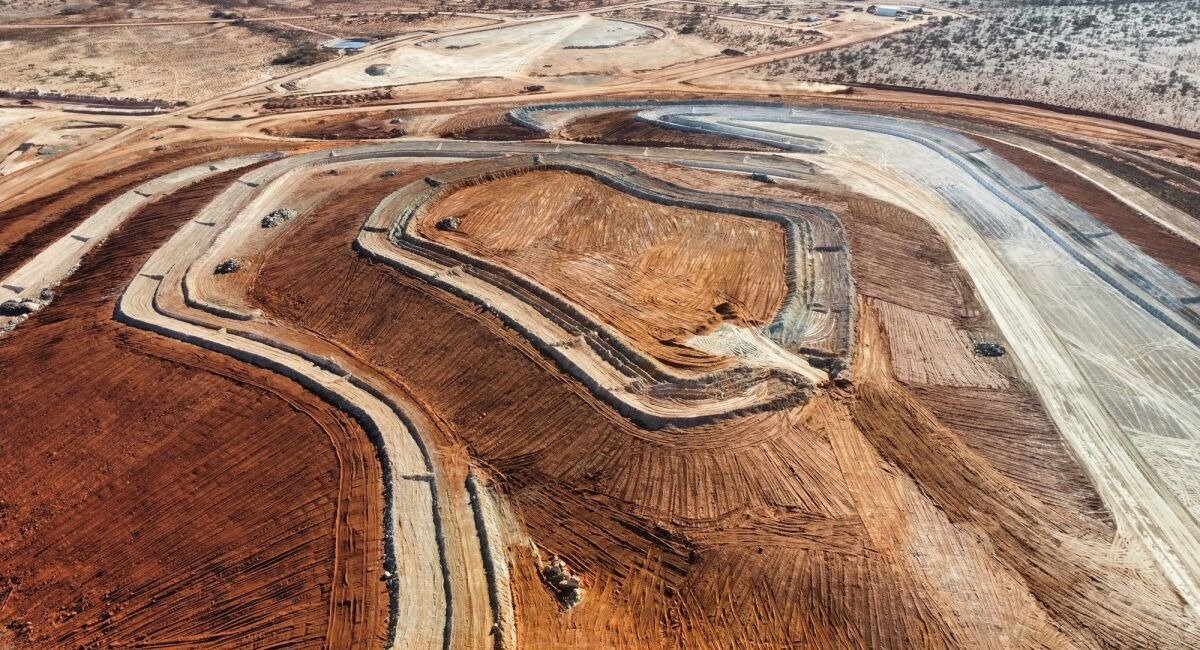
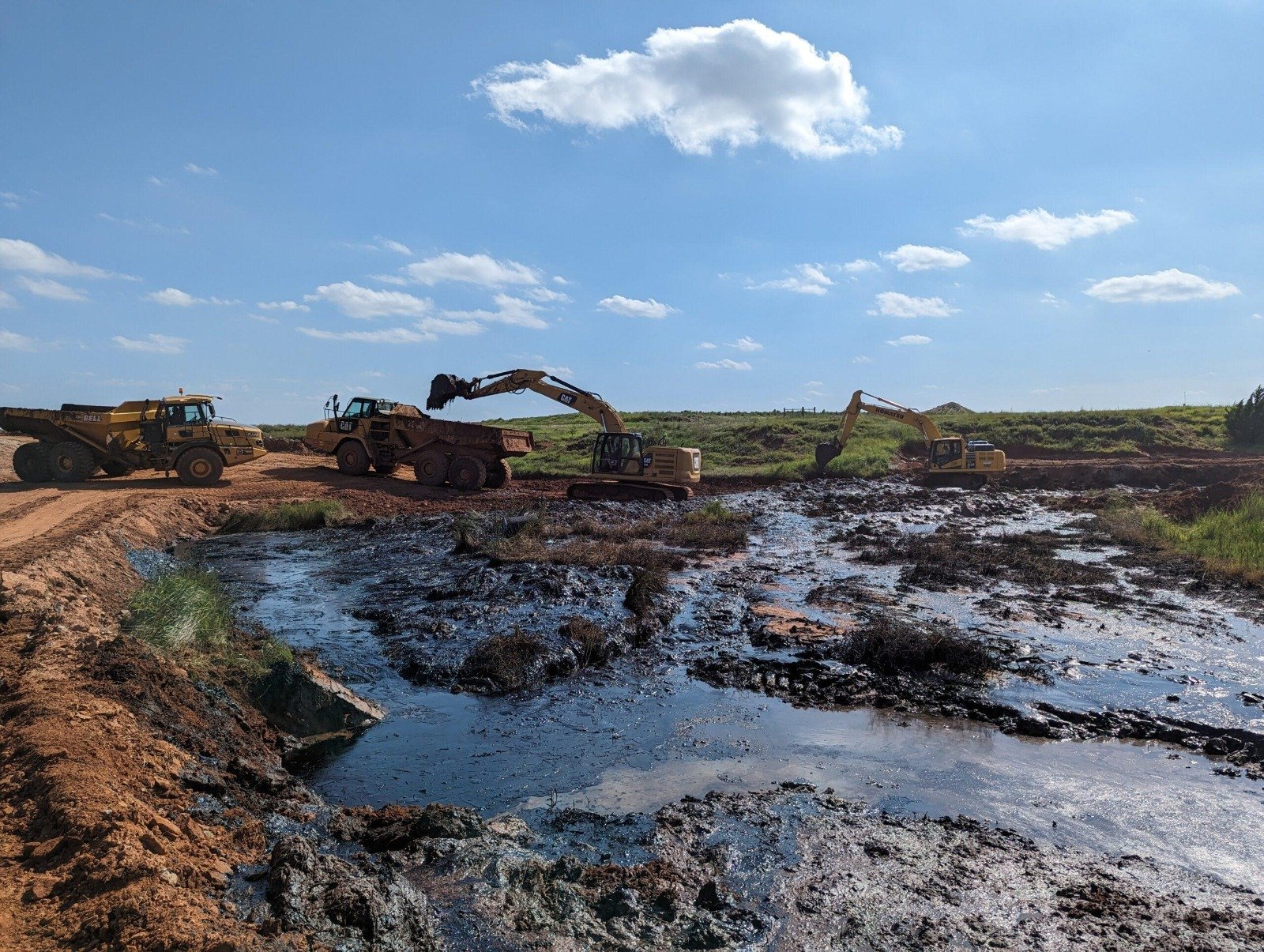
Depending on site-specific conditions, the works may include excavation and removal of contaminated soil, application of in-situ or ex-situ treatment technologies, management and transportation of contaminated materials and waste to authorized facilities where required, and subsequent backfilling, grading, and rehabilitation of the affected area.
Throughout implementation, the different stages of work, affected locations, and quantities treated or transported should be properly documented. Environmental verification activities and post-remediation sampling may also be conducted in accordance with the requirements of the approved plan.
This stage is particularly important because completion of excavation or removal activities does not necessarily mean that the contamination has been successfully remediated. Verification is required to demonstrate that the remediation objectives established for the site have been achieved.
8. Prepare and Submit the Completion Report
Upon completion of the remediation and rehabilitation works, the contractor prepares and submits a Completion Report documenting the activities undertaken and their compliance with the approved plan.
The report may include details of the remediation works performed, quantities treated or transported, verification and laboratory results where applicable, and field documentation showing site conditions before, during, and after implementation.
The relevant environmental procedures for completing and closing the contaminated-site remediation and rehabilitation works are then finalized in accordance with applicable requirements.
Important Note on Voluntary Disclosure of Environmental Contamination
When a facility discovers environmental contamination or an environmental violation, proactively disclosing the incident may allow the facility to benefit from an exemption from penalties associated with the environmental violation under the Voluntary Disclosure mechanism of the National Center for Environmental Compliance (NCEC), provided that the case meets the applicable conditions and requirements.
Key requirements generally include making the disclosure within the prescribed regulatory period and before the NCEC becomes aware of the violation, submitting a remediation and corrective-action plan, cooperating with verification procedures, and implementing the required corrective measures.
Accordingly, proactively disclosing and addressing contamination at an early stage not only helps minimize environmental impacts but may also allow the facility to benefit from the regulatory advantages available under the Voluntary Disclosure mechanism and avoid penalties associated with the violation, subject to meeting all applicable requirements.
Therefore, when contamination is discovered, facilities are advised not to wait until the issue is identified through regulatory inspection or monitoring. Instead, they should promptly assess whether the case qualifies for voluntary disclosure and initiate the necessary environmental assessment, remediation, and corrective-action procedures.
The Process in Simple Terms
The contaminated-site remediation process generally follows a clear sequence:
Stop and control the source of contamination → Engage a licensed environmental consultant → Assess and investigate the contaminated site → Prepare the remediation and rehabilitation plan → Obtain the required environmental approvals → Submit the approved plan to a licensed remediation contractor → Price and implement the approved remediation works → Verify remediation effectiveness → Prepare and submit the Completion Report → Complete the environmental closure procedures.
INMACO – Contaminated and Degraded Site Remediation
Hulul Inma Albiya Almustadamah Company (INMACO) specializes in implementing approved remediation and rehabilitation plans for contaminated and degraded sites.
Our scope begins with reviewing the approved remediation plan and defining the implementation requirements and continues through remediation and rehabilitation works, field documentation, environmental verification, and preparation and submission of the Completion Report following completion of the project.
Each remediation project is implemented according to the type and extent of contamination, approved remediation methodology, site conditions, and project-specific environmental requirements.