Soil contamination by diesel, fuel, and other petroleum products is a significant environmental concern that may result from fuel tanker accidents, leaking storage tanks and pipelines, loading and unloading operations, or accidental releases at industrial and operational facilities. The importance of early intervention lies in the fact that contamination may not remain confined to the visibly affected surface area. Petroleum hydrocarbons can migrate through soil pores and spread both vertically and horizontally depending on the properties of the released substance, soil characteristics, and the hydrogeological conditions of the site.
The movement of fuel through soil varies considerably according to the soil’s physical properties. In highly permeable sandy soils, liquids may migrate vertically more rapidly than in clay-rich soils. Fine-grained soils, on the other hand, may retain a greater proportion of hydrocarbon compounds due to lower permeability and adsorption onto soil particles. Therefore, understanding soil type, groundwater depth, and groundwater flow direction is important when assessing sites affected by petroleum releases.
Petroleum products also vary in their environmental behavior. Fuel consists of a complex mixture of hydrocarbon compounds with different levels of volatility, solubility, biodegradability, and affinity for soil particles. Consequently, contamination should not be assessed solely on the basis of visible staining or odor. Environmental investigation and laboratory analysis are essential for identifying the contaminants, their concentrations, and their distribution across the affected site.
One of the parameters commonly used when evaluating sites affected by petroleum products is Total Petroleum Hydrocarbons (TPH), a term used to describe a broad range of hydrocarbon compounds associated with petroleum products. Laboratory investigations may also include BTEX compounds — benzene, toluene, ethylbenzene, and xylenes — when relevant to the type of fuel and the specific contamination scenario. Some of these compounds can be relatively more mobile or volatile than heavier petroleum fractions, making identification of the released product an important consideration when designing an appropriate soil sampling and analytical program.
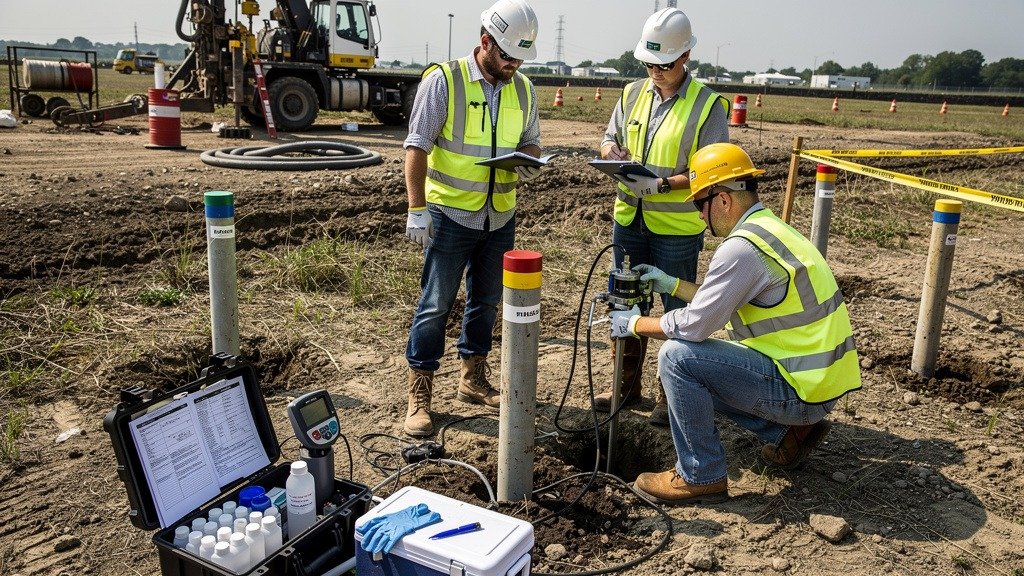
The treatment of diesel- and fuel-contaminated soil begins with controlling the source of the release and preventing further contamination of the surrounding environment. The site is then investigated to identify potentially affected areas, followed by the development of a sampling program covering appropriate locations and depths based on the nature of the incident and site conditions. Laboratory results can then be used to establish the horizontal and vertical extent of contamination and identify the areas that require remediation.
Delineating the extent of contamination is important from both environmental and economic perspectives. Excavating soil without first determining the boundaries of the affected area may result in unnecessary excavation, transportation, and waste-management costs. Conversely, removing only soil that appears visibly contaminated may leave petroleum hydrocarbons at greater depths. An effective remediation decision should therefore be based on a combination of field observations, site characteristics, environmental sampling, and laboratory results.
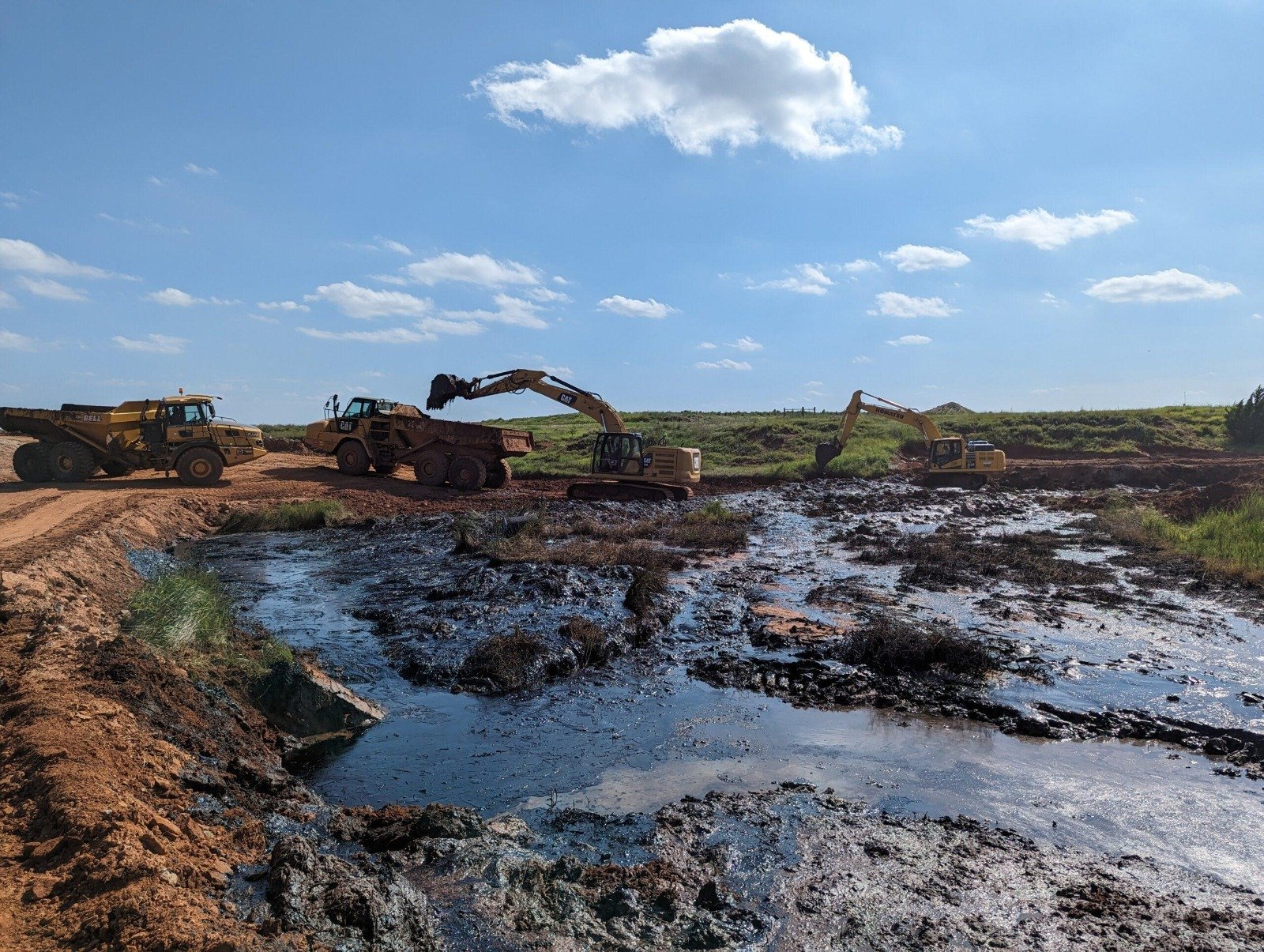
There is no single remediation technology suitable for every case of petroleum-contaminated soil. Excavation and removal may be appropriate for certain sites, while other cases may allow the use of biological treatment technologies that utilize microorganisms to degrade certain organic compounds. Physical and chemical treatment methods may also be considered, as well as in-situ remediation, where treatment is performed without excavating the contaminated soil, and ex-situ remediation, where contaminated material is excavated for treatment. The selection of an appropriate technology depends on the type and concentration of contaminants, the volume and depth of affected soil, soil characteristics, groundwater conditions, project timeframe, and the technical and economic feasibility of each alternative.
Another important consideration is the potential migration of contaminants toward groundwater, particularly when a significant release has occurred, the soil has high permeability, or the groundwater table is relatively shallow. Under such conditions, a broader environmental investigation may be necessary to determine whether contamination is limited to the soil or has reached the subsurface water environment.
When a diesel or fuel spill occurs, the immediate priority is to stop the source of the release, contain the spilled material, and prevent it from reaching surrounding areas or drainage systems. The affected site should then be assessed to determine the need for environmental sampling, laboratory analysis, remediation, and rehabilitation measures. Documentation of site conditions before, during, and after remediation is also an important component of contaminated-site management and provides evidence of the effectiveness of the corrective measures implemented.
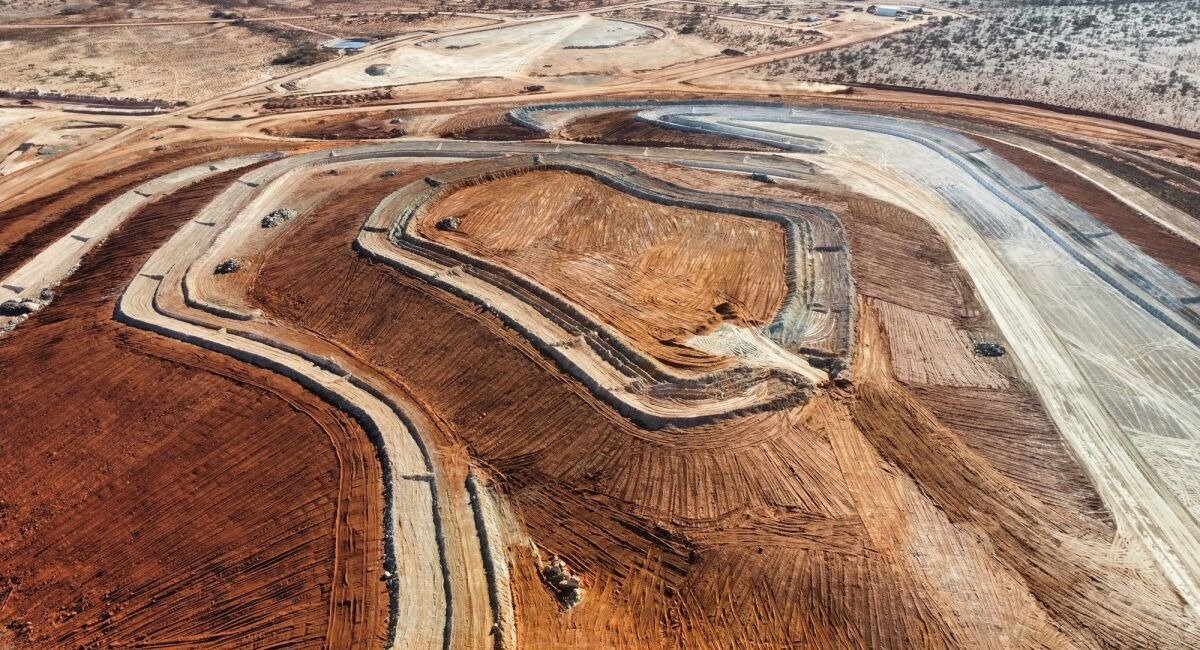
The rehabilitation of a contaminated site does not necessarily end with the removal of visibly affected soil. The final stage may include confirmation sampling to verify that remediation objectives have been achieved, followed by the placement of suitable clean material, site grading, and the restoration of areas affected by excavation and remediation activities. The ultimate objective is to achieve a stable environmental condition that is appropriate for the site's intended use and applicable environmental requirements.
Hulul Inma Albiya Almustadamah Company (INMACO) provides services for the assessment, remediation, and rehabilitation of contaminated and degraded sites, from initial site assessment and contamination delineation through remediation activities, environmental supervision, and documentation of rehabilitation works. Early assessment of sites affected by fuel and petroleum products can help determine the extent of the environmental impact and identify the most appropriate technical solution before contamination spreads further and remediation costs increase.